A well-packed backpack feels lighter than it is. A badly packed one pulls you backwards all day. The rules are simple: heavy things close to your back, things you need often near the top, and nothing swinging off the outside.
Start with a liner
Backpacks aren't waterproof, even with a rain cover. Line yours with a dry bag or a heavy-duty bin bag, and keep your sleeping bag and spare clothes inside it.
Pack in three zones
- Bottom: your sleeping bag and anything you won't need until camp, like sleeping clothes.
- Middle, close to your back: the heaviest things. Food, stove, gas and water. Keeping weight close and central stops the pack pulling you off balance.
- Top: things you'll want during the day. A warm layer, waterproofs, first aid kit and lunch.
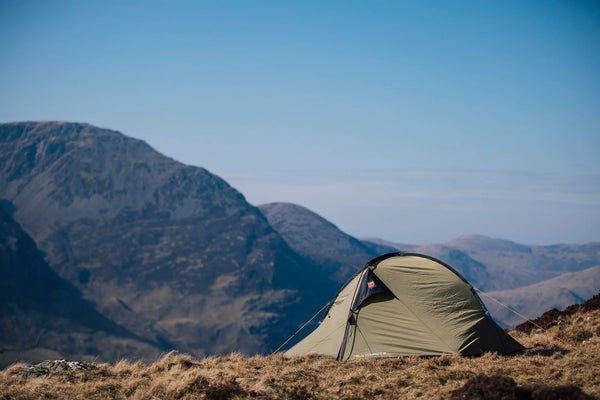
The tent can go in the middle zone or strapped under the lid. Put the poles down the side, inside the pack if they fit.
Pockets
- Lid: map, compass, head torch, suncream, snacks.
- Hip belt: phone and something to eat.
- Side pockets: water bottle and tent poles.
Fit it properly
- Loosen every strap, put the pack on and do the hip belt up first. It should sit on your hip bones, not your waist. Most of the weight goes here.
- Tighten the shoulder straps until they hug your shoulders without taking the weight.
- Pull the load lifters (the small straps at the top of the shoulder straps) to bring the pack in towards you.
- Clip and adjust the chest strap so the shoulder straps don't slide outwards.
What to leave behind
Anything cotton, a second pair of jeans, full-size toiletries, and the "just in case" items you didn't use last time. A good target is for your packed bag to weigh no more than about a quarter of your body weight, and less if you can.
Which size?
For one or two nights with a shared tent, 40 to 50 litres is usually plenty. If you're carrying the tent yourself, or it's a DofE expedition, look at 55 to 65 litres. Our backpacks run from 40 to 65 litres, and the Sierra Designs Flex packs expand from 40 to 60.